


Why take on an apprentice?
Ask any member what worries them most and skilled people will be near the top of the list. Many of the industry's most experienced winders and fitters are close to retirement, and what they know takes years to pass on.
An apprenticeship is the most reliable way to grow that knowledge in-house. You shape how your apprentice works from day one, the government covers most or all of the training cost, and you end up with someone who knows your customers, your equipment and your standards.
It's also a chance to look ahead. Many members now offer reliability services, from vibration analysis to condition monitoring, and an apprentice who grows up with those tools can help you build that side of the business.
On this page: guides | choosing a standard | funding | case studies | finding an apprentice | working with schools | training
Start with the guides
Two guides written for AEMT members. The Apprenticeships E-Guide, written for us by Croner, takes you through hiring an apprentice step by step. The Good Practice Guide to Recruitment and Retention covers finding, keeping and developing skilled staff, including passing knowledge on before people retire.
Choosing the right apprenticeship standard
The standard sets what your apprentice learns and how they are assessed at the end. Skills England reshaped the maintenance standards in 2025: the Electromechanical technician option of the Maintenance and operations engineering technician standard closed to new starts on 31 December 2025, and the 2014 Mechatronics standard has been retired. These are the current standards that fit our trade best.
What it costs, and what the government pays
The funding rules changed on 1 August 2026. For members that don't pay the apprenticeship levy, which is most of our membership:
- Training for apprentices aged 16 to 24 is fully funded.
- For apprentices aged 25 and over, the government pays 95% of training costs and you pay 5%.
- You receive £1,000 for each apprentice aged 16 to 18 (or under 25 with an education, health and care plan, or who has been in care).
- From 1 October 2026 you can also claim a £2,000 hiring payment for new apprentices aged 16 to 24. The first payments are due in January 2027.
- Foundation apprenticeships for 16 to 21 year olds, including engineering and manufacturing, are fully funded and come with a £2,000 incentive.
Your training provider claims these payments and passes them on to you. Levy-paying members should note that new levy funds now expire after 12 months, and that you pay 25% for apprentices aged 25 and over once your levy runs out.
Short, funded apprenticeship units are also on the way for existing staff aged 19 and over, including electrical and mechanical fitting and assembly: a useful route for upskilling the team you already have.
Check the detail with your provider or the government's Growth and Skills Levy factsheet before you commit.
Learn from members who've done it
Rotamec and MKE Engineering share how they set up their schemes, what worked and what they'd do differently. Rotamec's work with Weston College shows how a member and a local college can build a programme together. These case studies need a subscription.
Subscription Required.

Subscription Required.


Looking for an apprentice?
Young people looking for a start in the trade are pointed to A Career in Engineering, our page for school and college leavers, which sends them straight to the member directories. Make sure your directory listing is up to date.
Working with schools and colleges
Local schools and colleges are a good place to find future apprentices. The Education Landscape Guide explains the routes young people take through education in England, and the Index lists the ways your business can get involved, with the time each one takes. T Levels include an industry placement of around 45 days, a low-risk way to try someone out before offering an apprenticeship.


Career videos to share
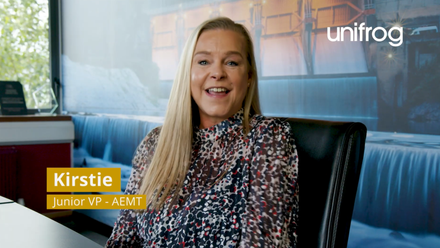
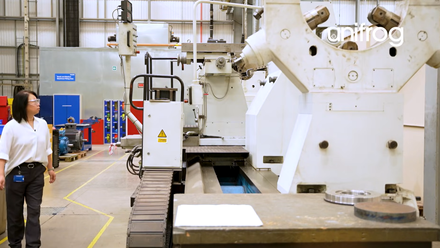
We made six short films with Unifrog, the careers platform used by schools and colleges across the UK. Engineers from member companies explain what they do and how they got there. Share them at careers events, on social media or with your local school.




Training for your apprentices
Our online courses sit well alongside the college part of an apprenticeship, and the Hazardous Area (Ex) Repair Course is open to newcomers as well as experienced staff.
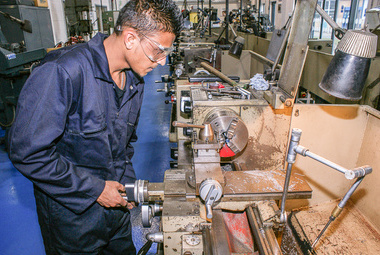
AEMT Training Academy
Online courses on electric motors and rewinding, and hands-on hazardous area (Ex) repair training.