
OVERCOMING A DYNAMIC BALANCING CHALLENGE
THE DESIGN OF A ROCKET propulsion system by the Leeds University Rocketry Association (LURA) required a compact pump able to deliver both fuel and oxidiser to the rocket engine at very high rotational speeds. The pump’s rotor assembly needed to spin at over 30,000rpm. But, at these speeds, even a small imbalance could cause vibration or instability.
LURA turned to RJW Engineering for a solution to ensure the rotor could be dynamically balanced to a tight ISO tolerance.
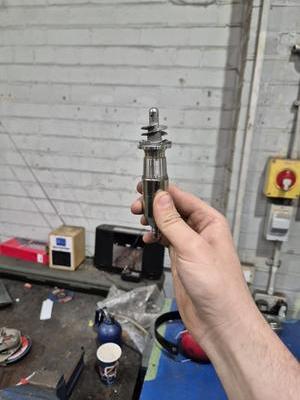
A big challenge was that the rotor assembly was strongly magnetised which affected the balancing machine’s velocity sensors and drive motor, making it difficult to obtain accurate readings during rotation.
Dynamic balancing corrections are usually made by removing or adding small amounts of material at the ends of the rotor. However, there was very limited material available at the rotor ends which made large correction adjustments impossible. Instead, the balancing process would need to be carried out gradually to allow the rotor components to be balanced step-by-step. In this way RJW was able to balance each step to maintain tight tolerances.
To address the magnetisation a balancing mandrel and shielding arrangement was created to allow the rotor to be mounted on the balancing machine and minimise magnetic interference. The shielding allowed accurate measurement data to be captured during the balancing process.
RJW was then able to refine the rotor balance until the assembly reached the required tolerance. Once the incremental balancing stages were complete, the rotor assembly was built and a final trim balance was carried out to achieve the ultimate precision required for operation.
------------------
This article appeared in Renew magazine. To read more or request your personal digital or print edition of Renew, click here.